![How Do You Do: Complete Response Guide [English]](/_next/image?url=https%3A%2F%2Fcdn.sanity.io%2Fimages%2F147z5m2d%2Fproduction%2Fd66baef91bab5497748f6d50482d02c6dcb6fce3-2240x1260.png&w=3840&q=75)
The phrase "How do you do?" represents one of English's most misunderstood formal greetings, yet mastering its proper usage and response mechanisms can significantly impact professional interactions. This greeting carries centuries of linguistic evolution and social protocol that continues shaping contemporary business communication patterns.
Understanding this particular greeting matters now more than ever because remote work and international business interactions have created a need for precise, culturally appropriate communication. When 73% of global business communications occur across cultural boundaries, according to Harvard Business Review research, the stakes for proper greeting protocols have never been higher.
The Critical Distinction: Greeting vs. Question
"How do you do?" functions as a formal greeting, not a genuine inquiry about someone's wellbeing. This distinction creates confusion among non-native speakers and even native English speakers who mistake it for "How are you?" The fundamental difference lies in expected response patterns and social contexts.
The greeting serves as a ritualistic acknowledgment between individuals meeting for the first time in formal settings. Unlike "How are you?" which invites a brief status update, "How do you do?" requires a specific, formulaic response that maintains the formal tone of the interaction.
This matters because misunderstanding the nature of this greeting can lead to awkward social situations. When someone responds to "How do you do?" with detailed personal information about their day or health, it signals unfamiliarity with English social conventions and can create discomfort in professional settings.
Historical Origins and Linguistic Evolution
The phrase emerged in Middle English during the 14th century, originally appearing as "How do ye?" The evolution to "How do you do?" occurred gradually through the 15th and 16th centuries as English pronunciation and grammar standardized. Shakespeare used variations of this greeting in several plays, cementing its place in formal English discourse.
The greeting's persistence through centuries of linguistic change demonstrates its functional importance in English social structure. Unlike many archaic phrases that disappeared, "How do you do?" maintained relevance because it serves a specific social function that other greetings cannot replicate.
Historical usage patterns show this greeting was primarily reserved for upper-class interactions, which explains its continued association with formality and refinement. The phrase carried social status indicators that distinguished educated speakers from common folk, a distinction that influences its contemporary usage in professional contexts.
Proper Response Protocols
The standard response to "How do you do?" is simply "How do you do?" This mirroring technique maintains the formal register while avoiding the awkwardness of treating the greeting as a literal question. The response should be delivered with the same tone and formality as the initial greeting.
Alternative appropriate responses include "Pleased to meet you," "Nice to meet you," or "Very well, thank you." These variations acknowledge the greeting while introducing slight personality into the interaction. The key principle remains maintaining formality and brevity.
What makes these responses effective is their recognition of the greeting's ceremonial nature. They complete the social ritual without disrupting the formal atmosphere or creating expectation for extended personal disclosure. This efficiency serves the business and professional contexts where such greetings typically occur.
Contextual Usage Analysis
"How do you do?" appears primarily in three contexts: formal business introductions, diplomatic settings, and traditional social gatherings. Each context carries specific expectations that influence both delivery and response patterns.
In business environments, this greeting often occurs during high-stakes meetings, client presentations, or executive introductions. The formality signals respect and professionalism while establishing appropriate boundaries for the relationship. Companies training international teams frequently emphasize this greeting's importance for maintaining professional credibility.
Diplomatic and official ceremonies represent the greeting's most traditional usage. Government officials, academic institutions, and formal receptions continue using "How do you do?" because it conveys appropriate gravitas for significant occasions. The greeting's historical weight adds ceremonial importance to these interactions.
Traditional social settings, particularly those involving older generations or formal events like weddings and memorial services, maintain this greeting's usage. Understanding when to employ it demonstrates cultural literacy and social awareness that can significantly impact relationship building.
Common Response Mistakes and Their Consequences
The most frequent error involves treating "How do you do?" as a literal health inquiry. Responses like "I'm having a terrible day" or "My back is killing me" create immediate social discomfort and mark the speaker as unfamiliar with English conventions.
Another critical mistake is responding with excessive enthusiasm or casual language. Phrases like "Awesome!" or "Living the dream!" clash with the greeting's formal register and can damage professional credibility. The tonal mismatch signals cultural misalignment that can affect business relationships.
Silence or confused expressions represent equally problematic responses. When individuals fail to recognize the greeting or respond appropriately, it creates awkward pauses that can undermine confidence in professional settings. This particularly affects international business relationships where cultural competence influences trust building.
Regional and Cultural Variations
British English maintains "How do you do?" as a living greeting in formal contexts, particularly in professional and upper-class social situations. The response patterns remain consistent with historical usage, emphasizing the mirroring technique and formal acknowledgment.
American English usage has declined significantly, appearing primarily in diplomatic contexts or when Americans interact with British colleagues. The greeting carries associations with stuffiness or pretension in casual American contexts, limiting its practical applications.
Commonwealth countries including Australia, Canada, and New Zealand preserve the greeting in formal governmental and academic settings. Legal proceedings, university ceremonies, and official functions continue employing this greeting because of its ceremonial weight and historical significance.
Synonymous Expressions and Alternatives
"Pleased to make your acquaintance" serves as a more elaborate alternative that maintains similar formality while offering slight variation. This phrase works particularly well in settings where speakers want to acknowledge the significance of the meeting.
"Good to meet you" provides a less formal but still appropriate alternative for business contexts where "How do you do?" might feel overly ceremonial. This option bridges formal and casual registers effectively.
"I'm delighted to meet you" offers warmth while maintaining professionalism. This response works well when speakers want to express genuine pleasure about the introduction without sacrificing appropriate formality.
Modern Professional Applications
Contemporary business environments utilize "How do you do?" strategically in specific situations. Client meetings, investor presentations, and partnership negotiations often benefit from this greeting's formality and respect signals.
International business contexts particularly value this greeting because it demonstrates cultural sophistication and linguistic competence. When American executives meet with British or Commonwealth partners, proper usage of "How do you do?" can establish credibility and cultural awareness.
Legal and medical professions maintain this greeting's usage in formal consultations and professional introductions. The phrase's gravity matches the seriousness of these professional relationships and helps establish appropriate boundaries from the outset.
Digital Communication Considerations
Email and digital communications rarely employ "How do you do?" because the phrase's formality requires face-to-face delivery for maximum effectiveness. The greeting's ceremonial nature depends on physical presence and vocal delivery that digital mediums cannot replicate.
Video conferencing presents unique challenges for this greeting. While technically possible to use "How do you do?" in video calls, the medium's inherent informality often makes such usage feel forced or artificial. Most professionals opt for "Nice to meet you" in digital contexts.
Social media platforms have virtually eliminated "How do you do?" from contemporary usage. The platforms' casual nature and asynchronous communication patterns make formal greetings impractical and inappropriate.
Teaching and Learning Implications
English language instruction must address "How do you do?" because international students and professionals encounter this greeting in formal contexts. However, teaching approaches should emphasize its limited usage scope to avoid inappropriate application.
The greeting serves as an excellent example of English's complexity regarding register and social context. Students learning about formal versus informal communication benefit from understanding when and why this particular greeting appears.
Business English curricula should include "How do you do?" training because international professionals need cultural competence for high-level interactions. The greeting's proper usage can significantly impact career advancement in English-speaking professional environments.
Psychological and Social Dynamics
"How do you do?" creates psychological distance that can be beneficial in professional contexts. The formality establishes boundaries that prevent overfamiliarity while maintaining respect and courtesy.
The greeting's ritualistic nature provides social comfort in potentially awkward first-meeting situations. Having a prescribed interaction pattern reduces anxiety and allows participants to focus on more substantive communication.
Power dynamics often influence "How do you do?" usage, with higher-status individuals sometimes initiating this greeting to establish formal parameters for the relationship. Understanding these dynamics helps professionals navigate complex social hierarchies.
Learn Any Language with Kylian AI
Private language lessons are expensive. Paying between 15 and 50 euros per lesson isn’t realistic for most people—especially when dozens of sessions are needed to see real progress.
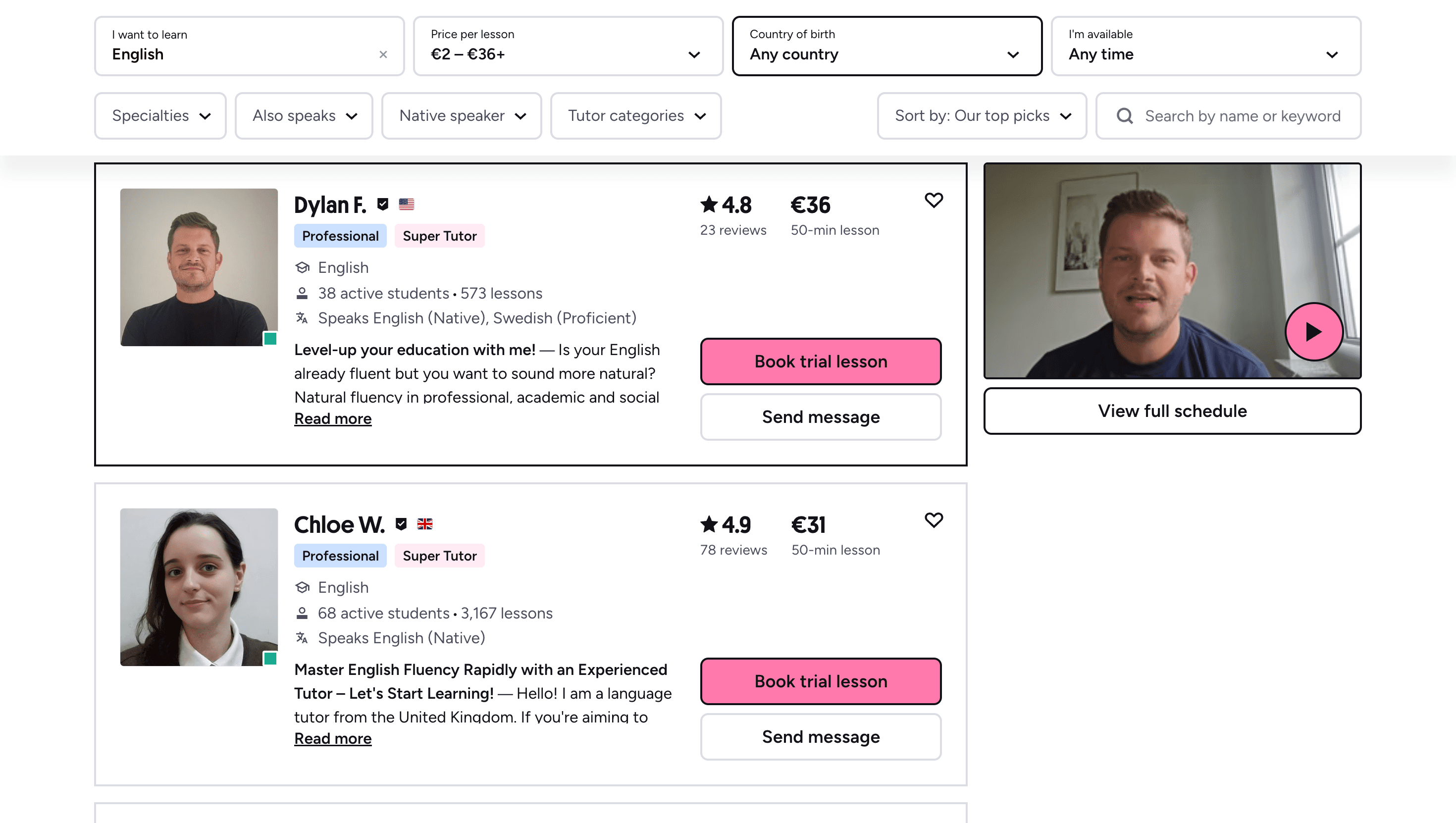
Many learners give up on language learning due to these high costs, missing out on valuable professional and personal opportunities.
That’s why we created Kylian: to make language learning accessible to everyone and help people master a foreign language without breaking the bank.
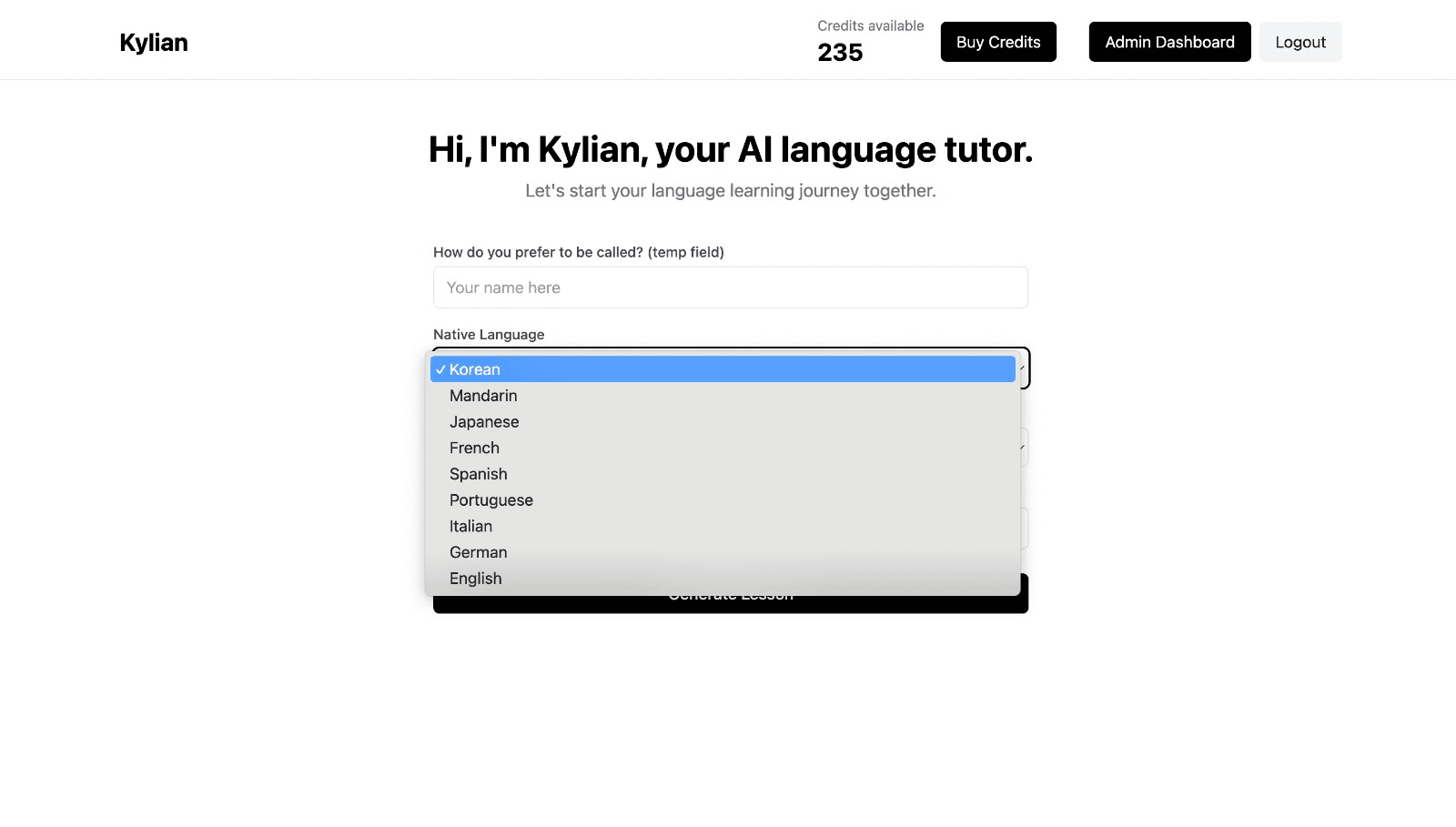
To get started, just tell Kylian which language you want to learn and what your native language is
Tired of teachers who don’t understand your specific struggles as a French speaker? Kylian’s advantage lies in its ability to teach any language using your native tongue as the foundation.
Unlike generic apps that offer the same content to everyone, Kylian explains concepts in your native language (French) and switches to the target language when necessary—perfectly adapting to your level and needs.
This personalization removes the frustration and confusion that are so common in traditional language learning.
Choose a specific topic you want to learn
Frustrated by language lessons that never cover exactly what you need? Kylian can teach you any aspect of a language—from pronunciation to advanced grammar—by focusing on your specific goals.
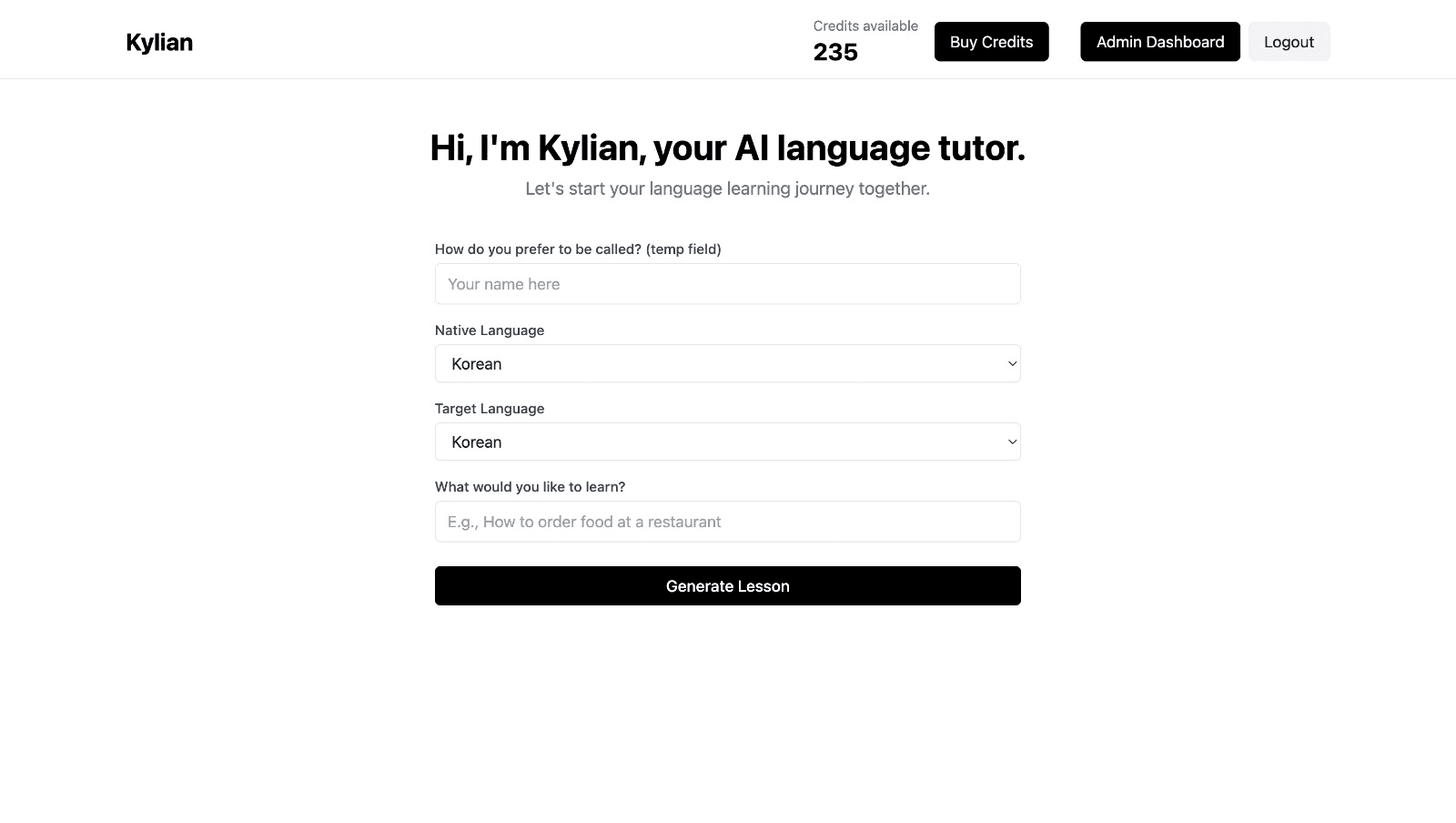
Avoid vague requests like “How can I improve my accent?” and be precise: “How do I pronounce the R like a native English speaker?” or “How do I conjugate the verb ‘to be’ in the present tense?”
With Kylian, you’ll never again pay for irrelevant content or feel embarrassed asking “too basic” questions to a teacher. Your learning plan is entirely personalized.
Once you’ve chosen your topic, just hit the “Generate a Lesson” button, and within seconds, you’ll get a lesson designed exclusively for you.
Join the room to begin your lesson
The session feels like a one-on-one language class with a human tutor—but without the high price or time constraints.
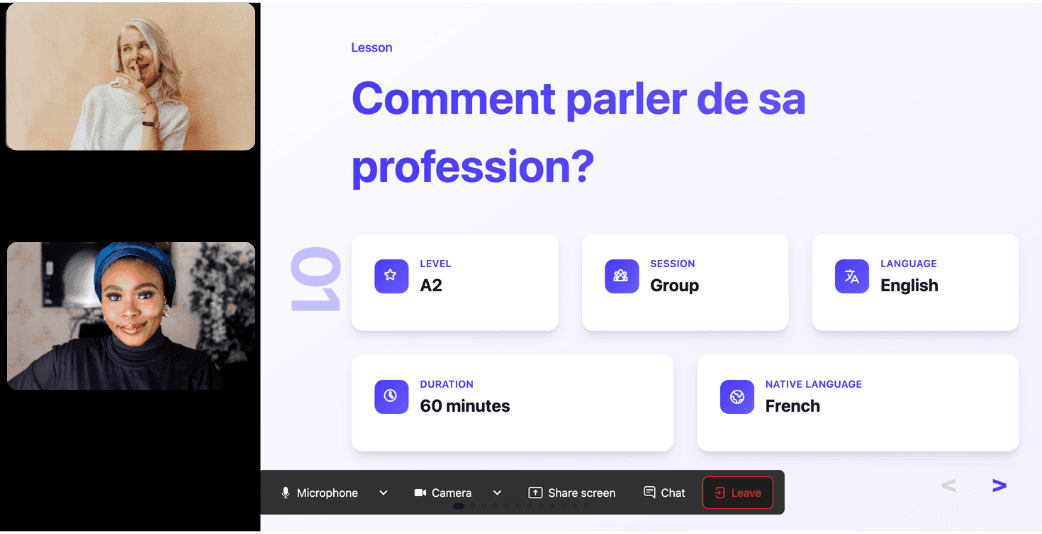
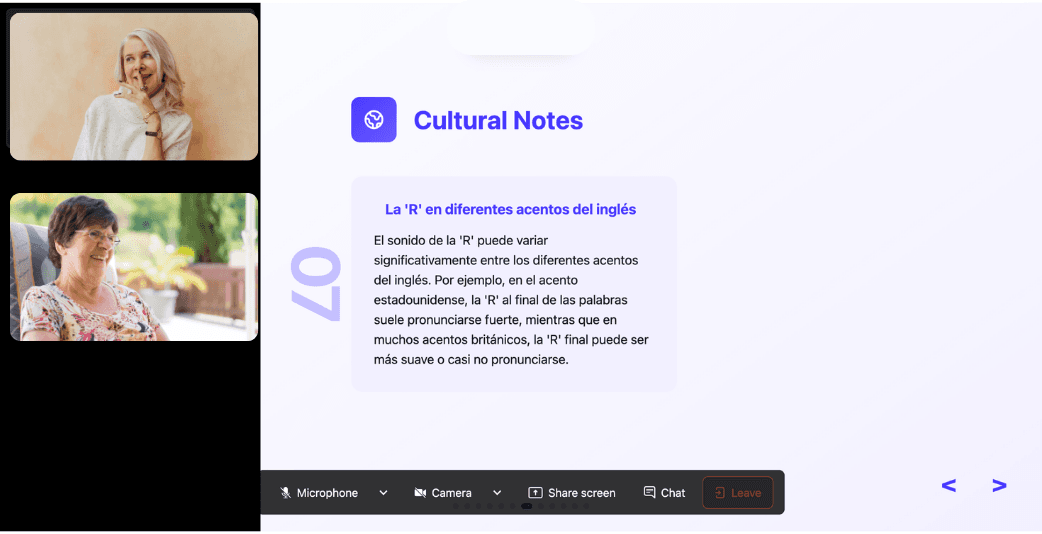
In a 25-minute lesson, Kylian teaches exactly what you need to know about your chosen topic: the nuances that textbooks never explain, key cultural differences between French and your target language, grammar rules, and much more.
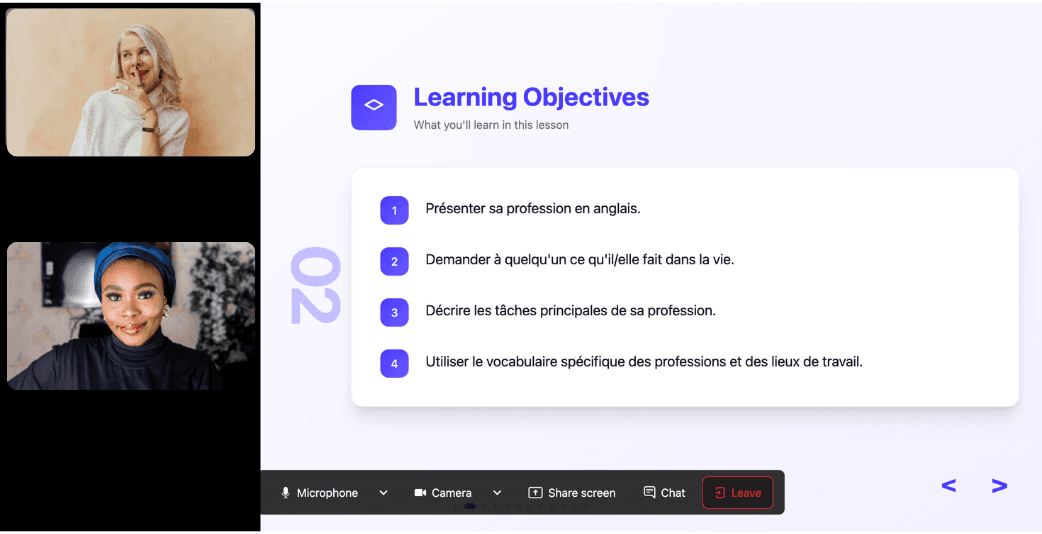
Ever felt frustrated trying to keep up with a native-speaking teacher, or embarrassed to ask for something to be repeated? With Kylian, that problem disappears. It switches intelligently between French and the target language depending on your level, helping you understand every concept at your own pace.
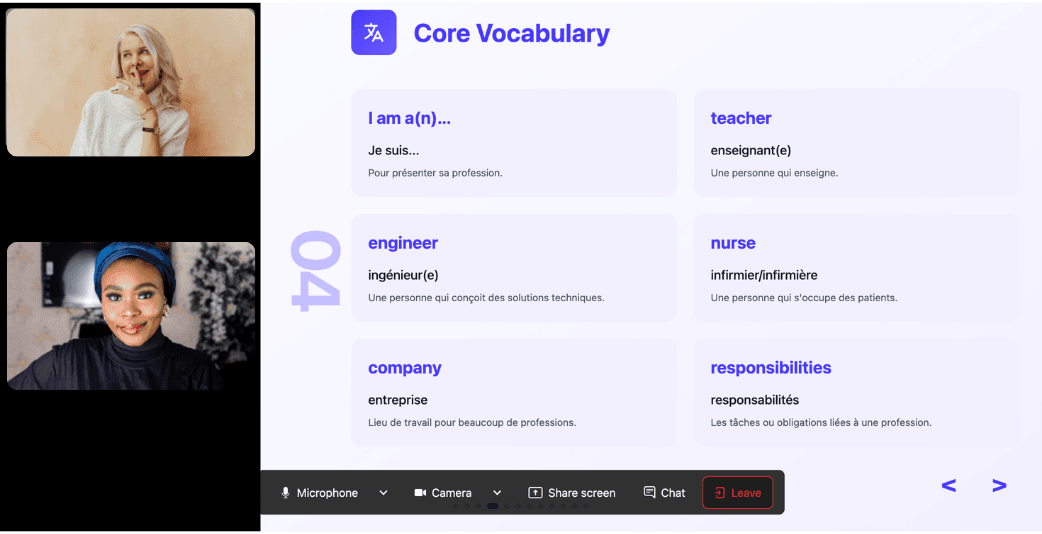
During the lesson, Kylian uses role-plays, real-life examples, and adapts to your learning style. Didn’t understand something? No problem—you can pause Kylian anytime to ask for clarification, without fear of being judged.
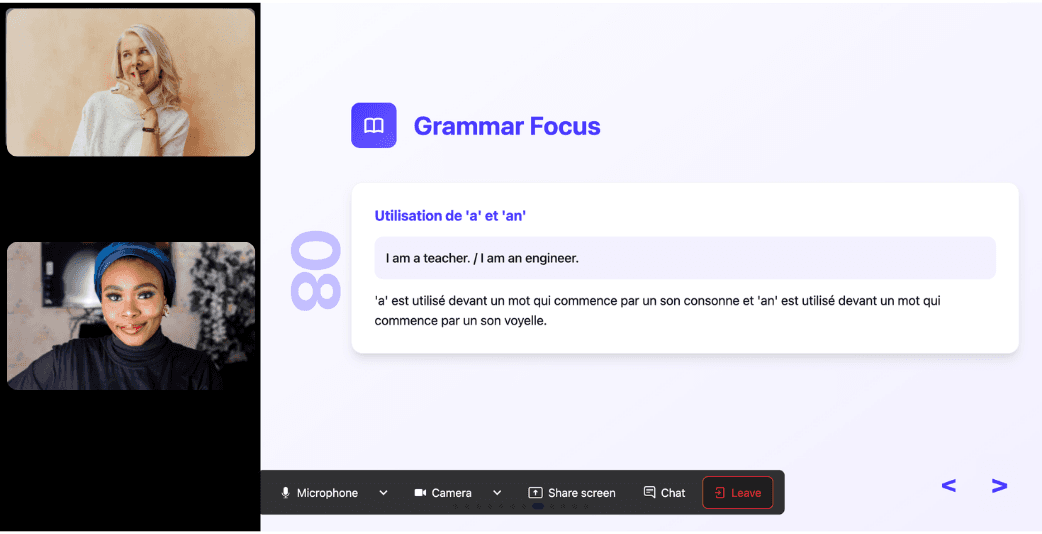
Ask all the questions you want, repeat sections if needed, and customize your learning experience in ways traditional teachers and generic apps simply can’t match.
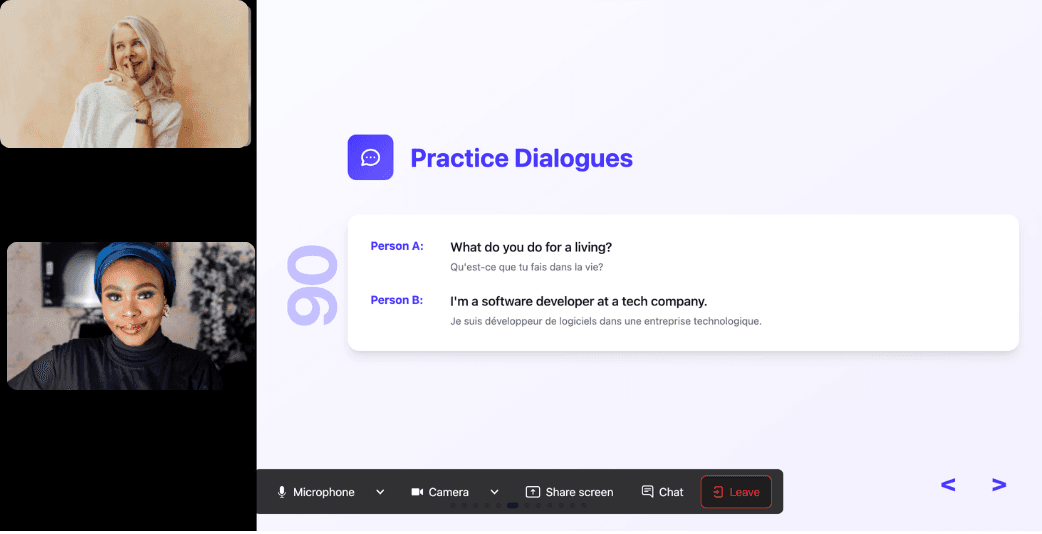
With 24/7 access at a fraction of the cost of private lessons, Kylian removes all the barriers that have kept you from mastering the language you’ve always wanted to learn.